Uncategorized

When Wood Fights Back: Turning Defects into Unique Carvings

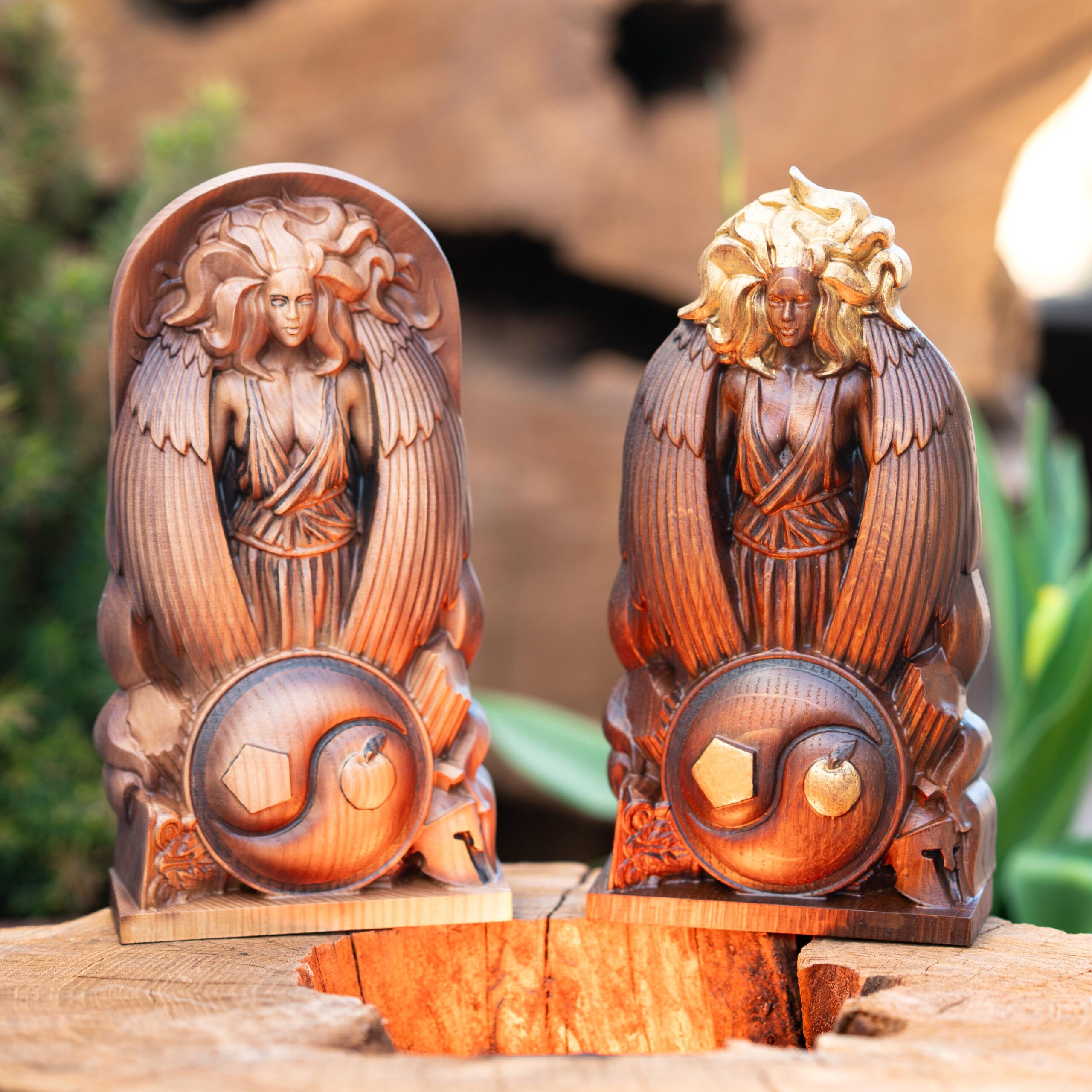
The Eris statues that waited four years

 
One of the most unpredictable parts of wood carving is that you never truly know what’s hiding inside the wood until you cut deeper. Sometimes a beautiful blank reveals cracks, rot, or other defects exactly when you’re almost finished. In those moments, you’re faced with a tough choice: throw it away or try to turn the flaw into something meaningful.
These two figures of Eris, the goddess of discord, are a perfect example. The statue on the right sat unfinished for nearly four years. I discovered serious defects in the wood right at the final stage. At that point I even stopped working with oak altogether. Instead of discarding her, I carefully cut away the damaged parts, sanded, painted, and finished her with linseed oil. The result is a completely unique piece with its own character. Who knows — maybe she’s still waiting for her perfect owner.
 

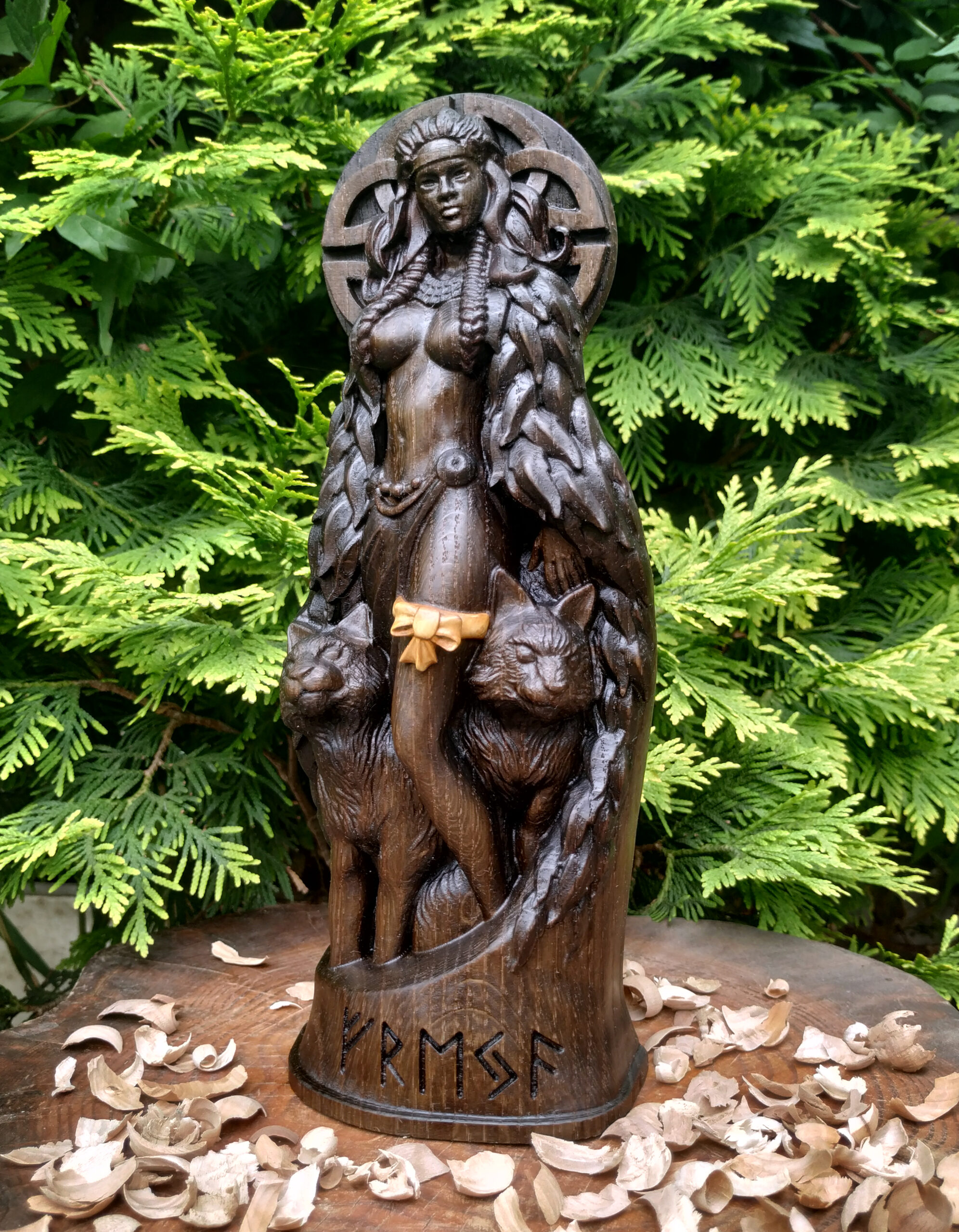
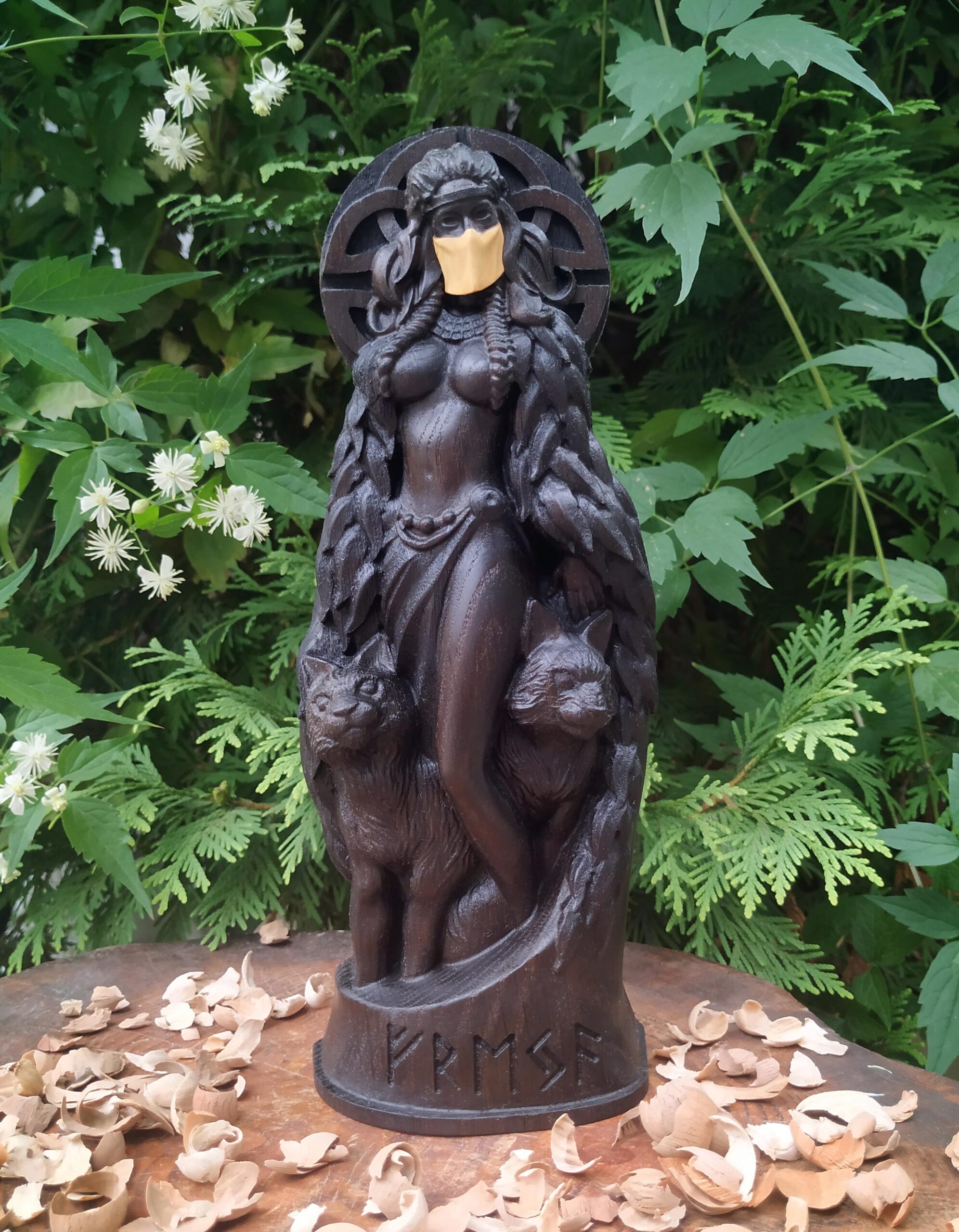
The Freya statues from 2021

 
A similar story happened with two figures of the goddess Freya. One had a hidden defect on the thigh, the other — even worse — on the lower part of the face. Rather than giving up, I transformed the flaws into features. The first Freya received an elegant bow on her
thigh, turning the defect into a stylish accent. The second one got a “mask” on her face. At the height of the pandemic, it felt almost symbolic — she became a kind of protective charm against the times when everyone was wearing medical masks.
 

There is something deeply satisfying about turning failure into something special.

Over more than eight years of carving, I’ve faced many such challenges. Not every piece could be saved, but quite a few unexpected “accidents” became the most characterful and memorable works in my collection.Of course, not all photos from the early years survived, and the ones I took on an old phone don’t really deserve to be shown. Like any craft, wood carving teaches you far more than just technical skills — patience, flexibility, and creative problem-solving. But that’s probably a topic for another article. In the end, these experiences remind me (and hopefully you) that true handmade art is never perfect — and that’s exactly what makes it alive and unique.
 

Leave a Reply

Your email address will not be published. Required fields are marked *